
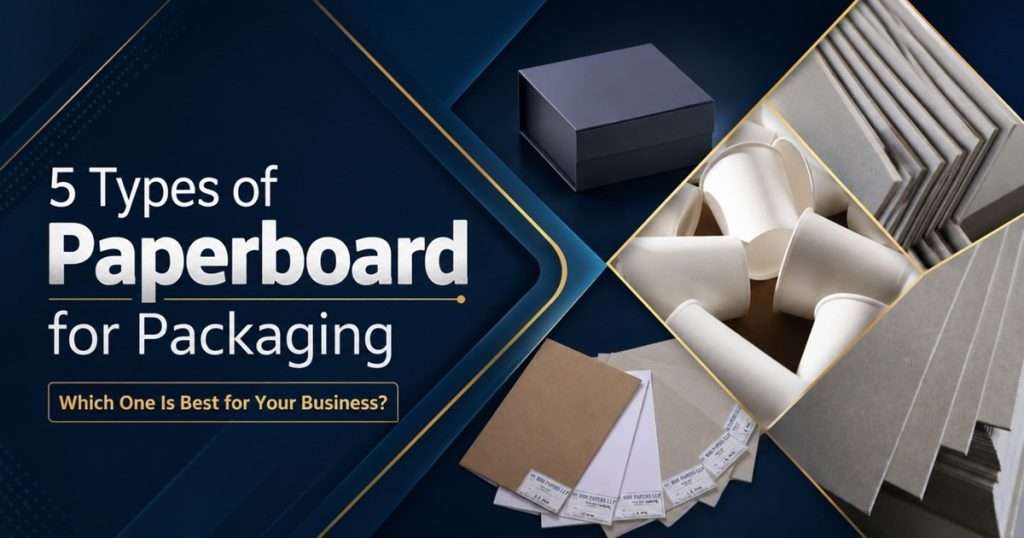
Choosing the right packaging material is not simply a matter of selecting the thickest board or the lowest price.
The paperboard you choose can influence the strength of the finished package, converting efficiency, surface finish, product protection, moisture resistance and even how premium the packaging feels in a customer’s hands.
Paperboard is used across industries including food and beverage, cosmetics, pharmaceuticals, electronics and consumer goods because it can combine strength, relatively low weight and flexibility in packaging design.
The American Forest & Paper Association provides a useful overview of paperboard packaging and its applications .
But not every paperboard is made for the same job.
A luxury jewellery box, a takeaway coffee cup and an industrial packaging component may all use paper-based materials, but their performance requirements are very different.
At RBR Papers LLP , businesses can source different paperboard solutions according to their packaging, printing, bookbinding and converting requirements.
In this guide, we compare five important types of paperboard for packaging to help you understand which one may be right for your business.
Quick Comparison: 5 Types of Paperboard for Packaging
| Paperboard Type | Best For | Key Requirement |
|---|---|---|
| Kappa Board | Rigid boxes, bookbinding, stationery | Rigidity and flatness |
| Rigid Box Board | Luxury and premium packaging | Structural strength |
| PE Coated Cupstock Paper | Cups and food packaging | Moisture and grease resistance |
| Multilayer Board | Packaging and industrial converting | Thickness and strength |
| Recycled Board | Packaging and converted products | Recycled fibre-based board |
The best choice depends on what your business manufactures, how the board will be converted and what performance the finished packaging needs.
Kappa Board: A Versatile Choice for Strong Packaging
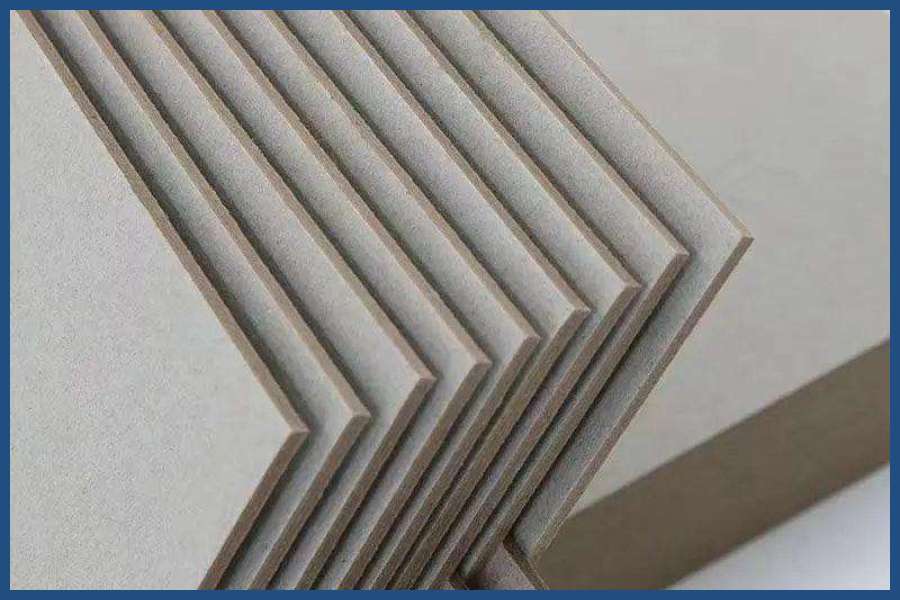
Kappa Board is a strong laminated solid board suitable for applications where rigidity, flatness and converting performance are important.
RBR Papers describes its Kappa Board as being manufactured from 100% recycled paper and designed to lay flat and stay flat. It is available in specifications from 1 mm to 4 mm thickness and 660 GSM to 2640 GSM.
Best Applications for Kappa Board
- Rigid boxes
- Jewellery boxes
- Premium gift boxes
- Bookbinding
- Stationery
- Table calendars
- Presentation packaging
- Display products
- Industrial converting
Why Businesses Choose Kappa Board
The biggest advantage is its balance between rigidity and convertibility.
Depending on the specification, Kappa Board can undergo processes such as cutting, die cutting, creasing, scoring, punching, drilling, embossing and debossing.
For manufacturers producing rigid packaging at scale, a flat and consistent board can make downstream converting and wrapping easier.
Consider Kappa Board when your priority is strong structure, consistent flatness and flexible converting options.
Rigid Box Board: Best for Luxury and Premium Packaging
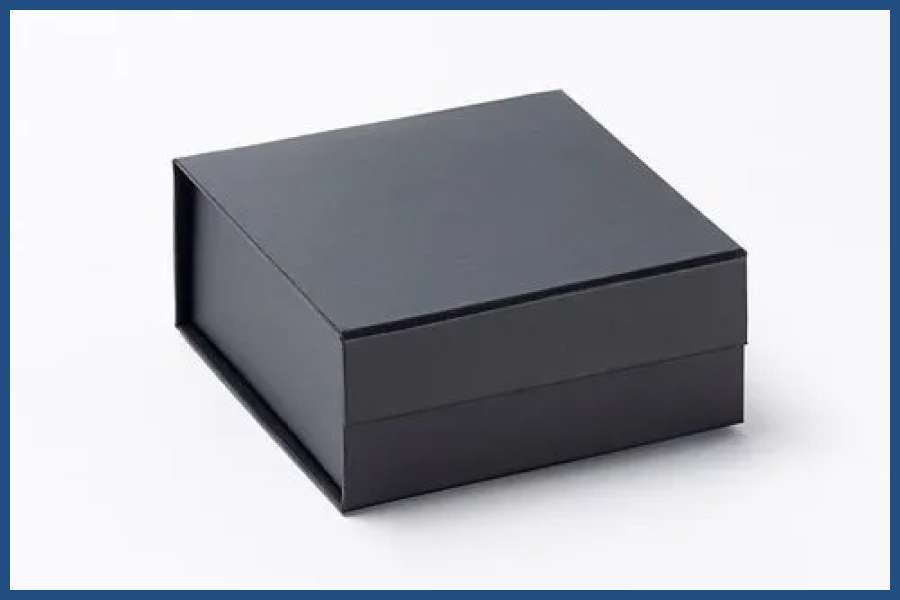
Packaging for premium products has a different job from everyday packaging. It must protect the product, but it must also create a premium visual and tactile experience.
That is where Rigid Box Board becomes important.
Its specifications include thickness options from 1 mm to 4 mm and GSM from 660 to 2640.
Common Applications
- Jewellery boxes
- Perfume packaging
- Cosmetic boxes
- Electronics packaging
- Premium gift boxes
- Fashion accessories
- Corporate gift boxes
- Luxury product packaging
Why Rigid Box Board Matters
Luxury packaging is about both protection and presentation.
The underlying board needs enough rigidity to maintain the shape of the box while providing a suitable base for wrapping and finishing.
Choose Rigid Box Board when packaging itself contributes to the perceived value of your product.
PE Coated Cupstock Paper: Built for Food and Beverage Packaging
Food and beverage packaging presents challenges that normal dry-product packaging does not.
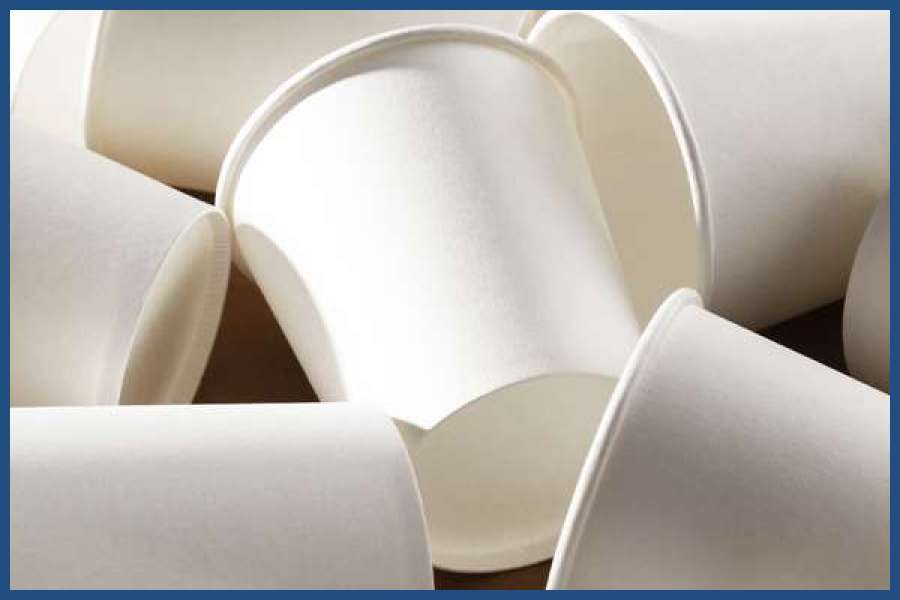
PE Coated Cupstock Paper combines paperboard with a polyethylene coating that helps provide resistance against moisture and grease.
Common Applications
- Hot drink cups
- Cold drink cups
- Takeaway cups
- Food containers
- Plates
- Trays
- Fast-food packaging
- Moisture-sensitive packaging
How Does PE Coating Help?
The polyethylene layer creates a barrier between the paper substrate and moisture or grease.
It is particularly relevant for paper cup manufacturers, food-service packaging businesses and converters producing moisture-resistant packaging.
Multilayer Board: When Your Packaging Needs More Structure
Some packaging applications require greater thickness and structural performance.
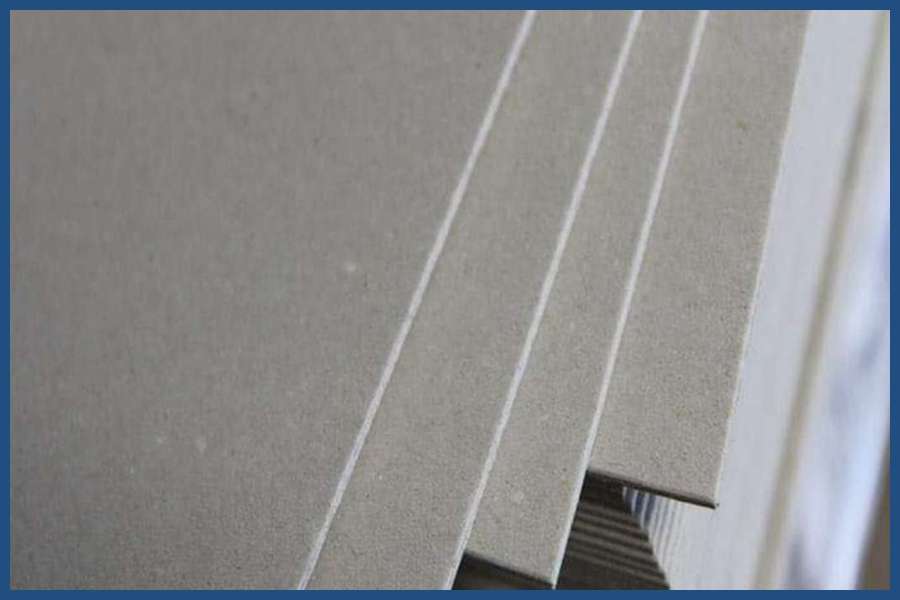
Multilayer Board is constructed by bonding multiple paper layers together.
Common Applications
- Premium packaging
- Industrial packaging
- Graphic applications
- Display boards
- Bookbinding
- Stationery
- Protective packaging
- Converted paper products
Consider Multilayer Board when you require greater structural strength, specific thickness, high rigidity or custom packaging performance.
Recycled Board: For Businesses Considering Recycled Fibre Materials
Sustainability is becoming an increasingly important factor in packaging procurement.
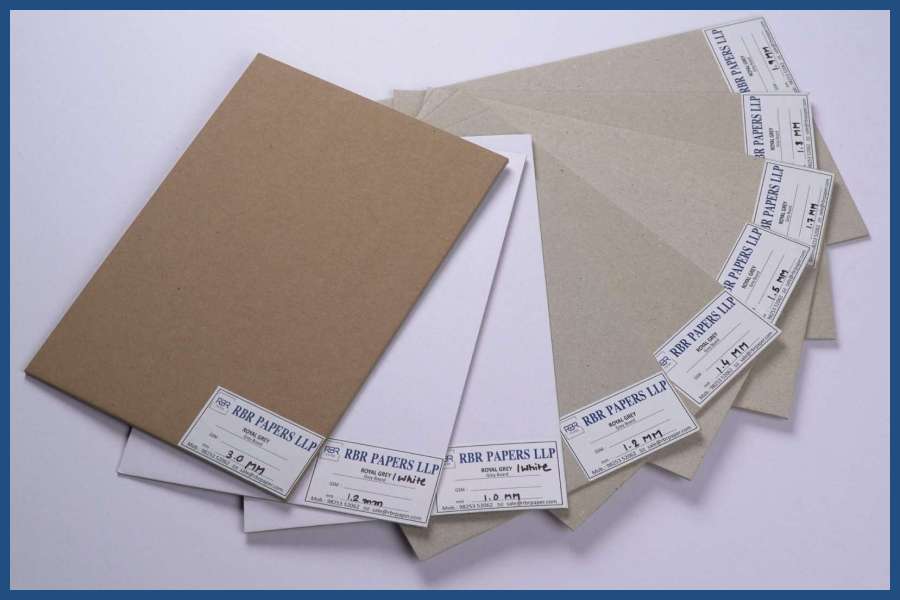
RBR Papers’ Recycled Board is described as a laminated solid board made from 100% recycled paper.
Common Applications
- Packaging
- Boxes
- Bookbinding
- Stationery
- Display products
- Promotional products
- Converted paper applications
Learn more about recycling from the U.S. EPA paper and paperboard data .
You can also review Forest Stewardship Council packaging resources .
Which Paperboard Is Best for Your Business?
Choose Kappa Board if:
You need strong, flat and versatile material for rigid boxes, bookbinding, stationery or general converting.
Choose Rigid Box Board if:
You manufacture premium packaging where structure, appearance and presentation are major priorities.
Choose PE Coated Cupstock Paper if:
You manufacture food-service packaging that requires resistance to moisture or grease.
Choose Multilayer Board if:
You need a layered board with specific thickness and structural strength.
Choose Recycled Board if:
Your packaging strategy includes recycled fibre and the board’s technical properties suit the final application.
Don’t Choose Paperboard Based on GSM Alone
Not always.
GSM measures the weight of the board per square metre, while thickness measures its physical depth.
Read RBR Papers’ GSM and thickness in paperboard selection guide .
You can also use the RBR Papers GSM Chart .
7 Questions to Ask Before Ordering Packaging Paperboard
1. What are you manufacturing?
A rigid box, paper cup, book cover and display board all need different material properties.
2. What is the size of the finished product?
Larger packaging may have different structural requirements from smaller packaging.
3. How heavy is the product?
The board must support the weight and structure required by the finished package.
4. What thickness do you need?
Specify thickness along with GSM instead of evaluating GSM alone.
5. How will the board be converted?
- Die cut
- Creased
- Laminated
- Wrapped
- Embossed
- Punched
- Printed
6. Will the packaging contact food or liquids?
Food-contact and moisture-sensitive applications can require different materials, coatings and regulatory considerations.
7. What finish do you expect?
Premium wrapping, printing and decorative finishes may require particular surface characteristics and dimensional consistency.
Paperboard Quality Matters Beyond the Specification Sheet
Two boards with similar GSM and thickness can still perform differently.
- Rigidity
- Flatness
- Surface consistency
- Moisture stability
- Converting performance
- Batch consistency
Learn more on the Technology & Quality page.
Why Businesses Choose RBR Papers LLP
RBR Papers LLP manufactures a broad range of paperboard products for different industries and applications.
- Kappa Board
- Rigid Box Board
- White / Grey Board
- PE Coated Cupstock Paper
- PE Coated Paper
- Chipboard
- File Board
- Multilayer Board
- Jaguar Board
- Book Binding Board
- Recycled Board
Instead ask: “Which board provides the right combination of strength, thickness, surface, converting performance and cost for my application?”
Final Thoughts
Choosing the right paperboard for packaging can influence much more than the appearance of the final box.
- Product protection
- Production efficiency
- Material usage
- Converting performance
- Packaging finish
- Brand presentation
- Overall packaging cost
For premium rigid packaging, Kappa Board or Rigid Box Board may be appropriate.
For food and beverage applications requiring a moisture barrier, PE Coated Cupstock Paper may be the better direction.
When structural thickness is important, Multilayer Board provides another option.
For appropriate applications where recycled fibre is part of the material strategy, Recycled Board may be worth considering.
Need Help Choosing the Right Paperboard?
Not sure which GSM, thickness or board type is suitable for your next packaging project?
Speak with RBR Papers LLP about your application + required thickness + GSM + size + converting process + quantity.
Discuss Your Packaging Requirements